
If you’ve ever wandered through an event or trade show and felt like you were stuck in a loop, you’re not imagining it. Row after row of identical stands. The same generic backdrops, product displays and tired approach that worked a decade ago but doesn’t anymore.
One of the biggest mistakes we still see people making at events is turning up with stands that look exactly like everyone else’s. Delegates just wander past with glazed eyes, phones in hand, barely registering what they see. Three stands in, and it all blurs into one forgettable mass.
2026 is the year to bin that approach entirely.
The exhibitors who’ll win this year aren’t the ones with the biggest budgets or the flashiest graphics. They’re the ones who understand that great exhibitions aren’t just seen. They’re felt, heard, tasted and experienced.
Your brain processes sensory information 11 million times faster than text alone. When you engage multiple senses, you create memories that last long after delegates have left the venue.
It isn’t some marketing gimmick. It’s proven science. And smart brands are already using it to their advantage.
This blog will show you exactly how to transform your exhibition presence in 2026 using our interactive and sensory solutions.
The problem with traditional exhibition stands
Many exhibitors focus entirely on what their stand looks like. They obsess over graphics. Perfect their logo placement. Arrange products on spotlit plinths.
Then, they wonder why nobody stops.
The problem? They’ve created a flat, one-dimensional experience that relies entirely on vision. And vision alone doesn’t cut through anymore.
Think about the last exhibition you attended. How many stands can you actually remember? Probably not many. They all looked professional enough, but nothing made them stick in your mind.
That’s because visual-only stands create visual-only memories. And visual-only memories fade fast.
Meanwhile, event delegates are dealing with serious fatigue. They’re facing hundreds of exhibitors all competing for their attention in exactly the same way. Generic displays that demand nothing from them except a glance as they walk past.
The reality of modern exhibitions is brutal. Delegates aren’t browsing anymore. They’re hunting. They arrive with specific problems to solve and limited time to solve them. If your stand doesn’t immediately offer something worth stopping for, they won’t stop.
Even brilliant products get overlooked when the stand itself creates no reason to engage. No invitation to touch something. No interesting aromas to pull people in. No experience that justifies the effort of starting a conversation with a stranger.
Your competitors might have inferior products, but if their stands create better experiences, they’ll capture the leads while you’re left wondering what went wrong.
Why sensory solutions work
Your brain isn’t designed to process information like a computer, reading text and filing it away neatly. It’s designed to respond to the world through your senses. And different senses trigger different responses.
Smell and taste create instant emotional connections. They bypass your logical brain entirely and tap straight into memory and feeling. That’s why the aroma of fresh coffee can transport you back to a specific moment years ago.
Touch transforms you from a passive observer into an active participant. When you physically interact with something, you’re no longer just looking. You’re involved.
Sound creates atmosphere and privacy. It can energise a space or create calm zones where conversations feel more natural. Get it right, and nobody notices. Get it wrong, and it’s all anyone talks about.
And sight, when done properly, guides the journey through a space. It’s not just about pretty graphics, but dynamic visuals that communicate instantly and create those Instagram-worthy moments people can’t help but share.
Here’s the crucial bit. When multiple senses work together, they create experiences that stick in memory long after the event ends.
The exhibitors who’ll succeed at events in 2026 are the ones who grasp the simple truth that memorable stands engage multiple senses, not just eyeballs.
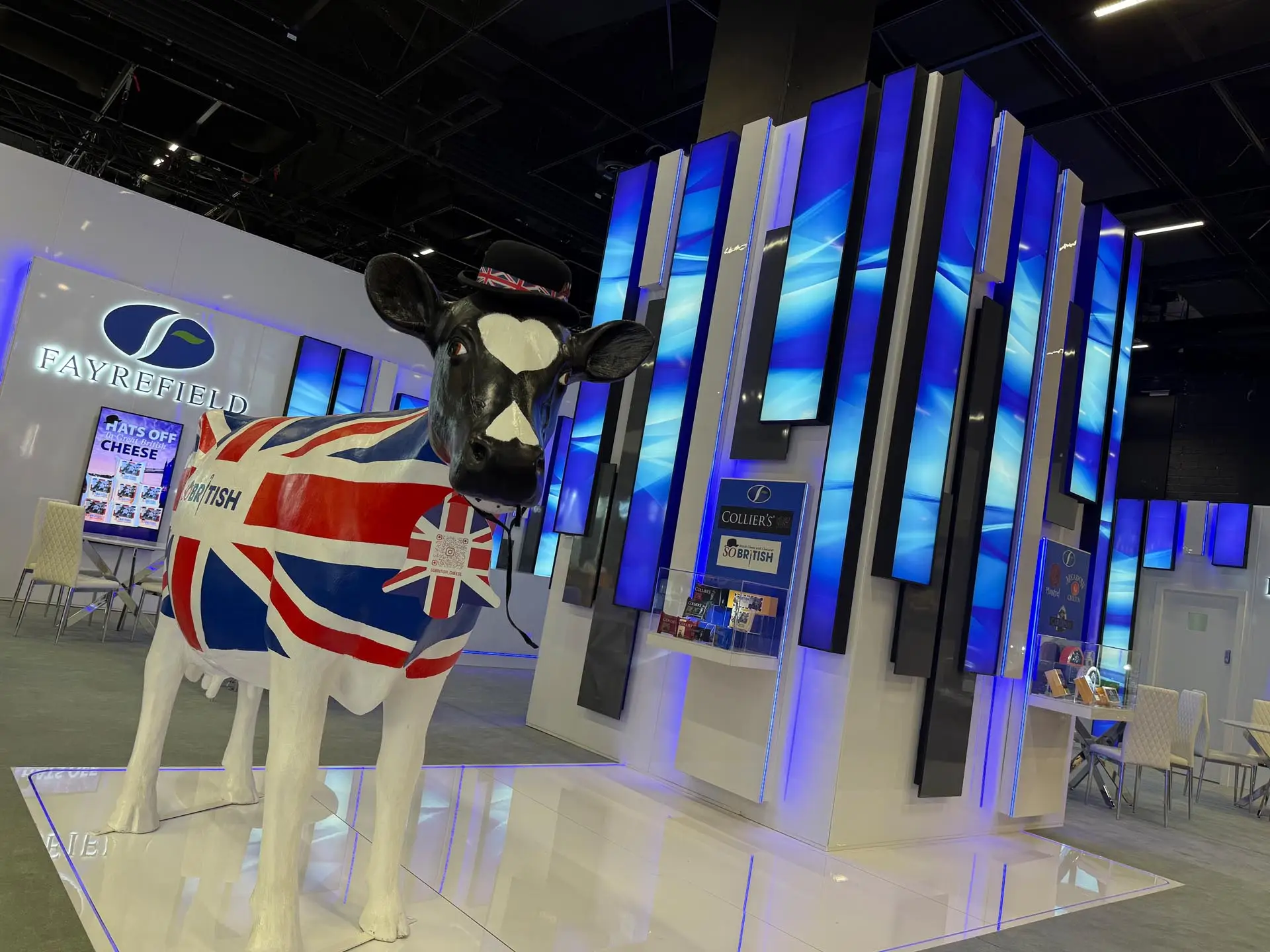
Five sensory solutions for 2026
The best event experiences hit your visitors from every angle. They’re the ones that fire the senses and stick in the memory. If you’re planning your events strategy for 2026, here are five sensory elements you should consider building into your stand:
Sight: beyond basic graphics
Visual elements matter, obviously. But there’s a massive gap between slapping your logo on a plain shell scheme backdrop and creating a visual experience that captivates.
LED displays demand attention in ways that static graphics never can. Dynamic content communicates your message instantly. The right lighting sets the mood. Virtual reality transports visitors somewhere impossible, making your brand unforgettable.
We built an LED light tunnel for ROBUS that became the talk of their event. Illuminated overhead slats created a stunning visual that people photographed and shared on social media. The walkway didn’t just look impressive. It generated a buzz that extended far beyond the exhibition hall itself.
That’s what proper sight solutions do. They create shareable moments that amplify your presence long after the event ends.
The goal isn’t just to look good. It’s to create visual environments that guide visitors through your space, communicate your message without words, and give them something worth photographing.
Smell: trigger instant memories
Smell is your secret weapon at exhibitions, yet most exhibitors completely ignore it.
Their stands smell like nothing. Or worse, like stale air conditioning and yesterday’s catering. They’re missing an opportunity to create instant emotional connections.
One whiff of the right scent can transport someone back decades or make them instantly hungry. It works on a subconscious level, bypassing logic and tapping straight into memory and emotion.
The smell of fresh coffee draws people in before they’ve even seen your stand. The nostalgic appeal of candy floss makes your space feel welcoming and fun. Even subtle ambient scents can transform a sterile exhibition environment into somewhere people actually want to spend their time.
Think about it from your delegate’s perspective. They’re wandering through hall after hall of identical stands that all smell exactly the same. Then they catch a whiff of something delicious. Their nose leads them straight to you, and you’ve got their attention before any conversation starts.
While your competitors are investing thousands in visual displays that get glanced at for three seconds, you could be using scent to create memories that last for years.
The right aroma doesn’t just draw crowds. It creates an atmosphere that people remember with their noses, not just their eyes.
Sound: control the atmosphere
Bad audio can kill a good event faster than anything else.
You know the experience. Feedback screeching through speakers. Conversations drowned out by background noise. That crucial product demo nobody can hear properly from the back row.
Sound matters more than you might think. Get it right, and nobody notices. Get it wrong, and it’s all they’ll talk about.
Smart audio design can create distinct zones within your stand. Crystal-clear presentation areas where your message lands with impact. Soundproof pods where private conversations stay private. Directional speakers that target specific areas without creating overall noise.
We’ve installed acoustic solutions that transform how exhibitors engage with visitors. Suddenly, networking feels natural because people can actually hear each other. Product demonstrations work because the audio is perfect. Delicate discussions about pricing happen in pods that feel private.
The challenge at busy exhibitions is cutting through the ambient noise without adding to it. Our professional sound design solutions solve that problem by controlling exactly where your audio goes and how it’s experienced.
Taste: create gathering moments
Food and drink do something that no amount of clever marketing can replicate. They bring people together.
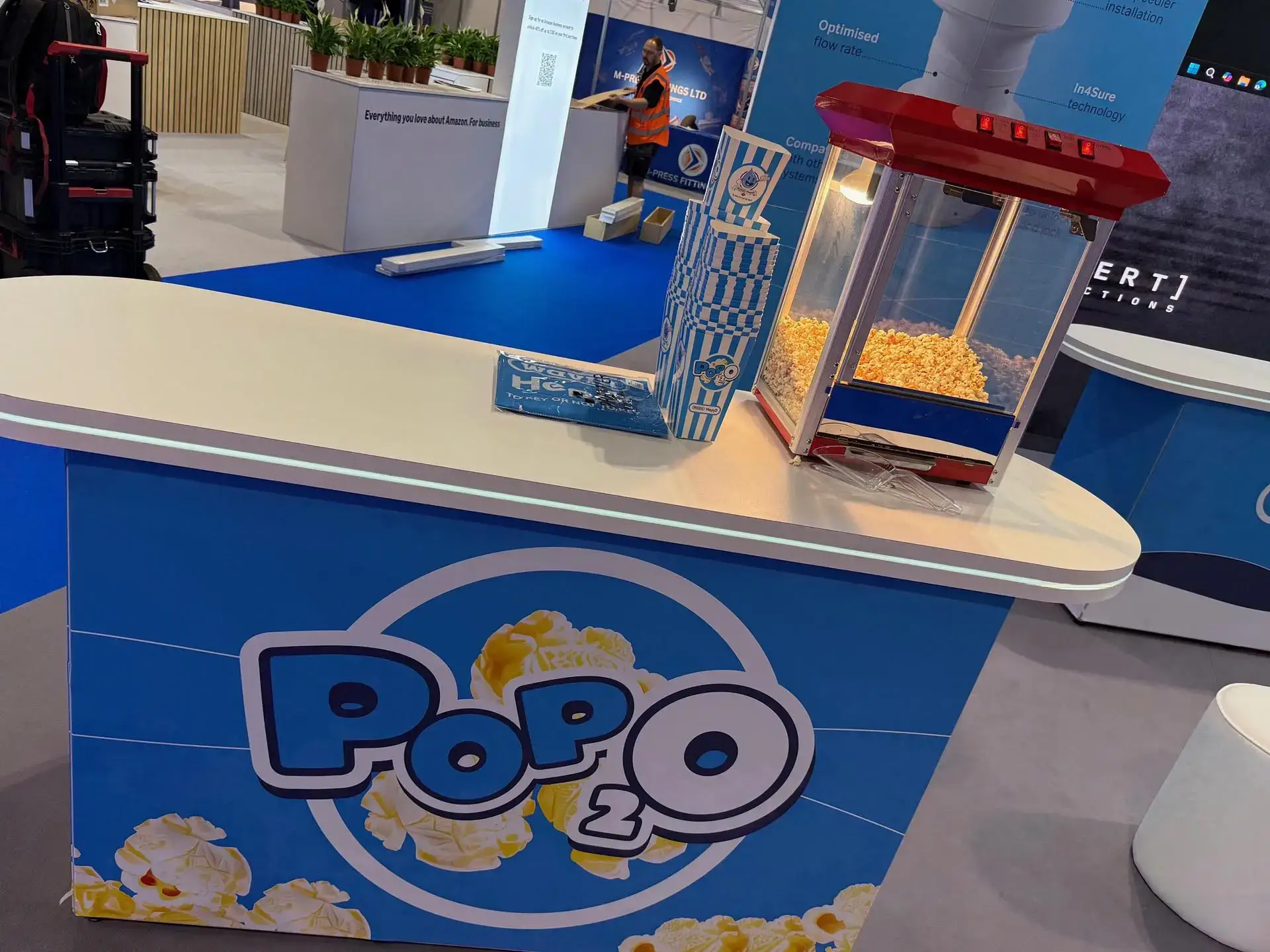
There’s no awkward networking required when you’re queuing for tasty popcorn or grabbing a freshly-brewed barista coffee. The conversation starts itself. The barrier drops immediately.
We’ve seen this work repeatedly. Wavin ran a popcorn machine at its stand, and suddenly there was a queue. That buttery aroma wafted across the venue, pulling curious visitors from three aisles away. Supplies ran dry before the final day because demand was overwhelming.
The beauty of taste solutions is that they create natural gathering points where meaningful conversations happen. No forced sales pitch required. Just genuine interactions that start because you’ve offered something worth queueing for.
Touch: Get them involved
Static displays create static engagement. Or, more accurately, no engagement at all.
Give people something to touch, press, spin or figure out, and suddenly they’re invested. They’re no longer walking past. They’re stopping, exploring and asking questions.
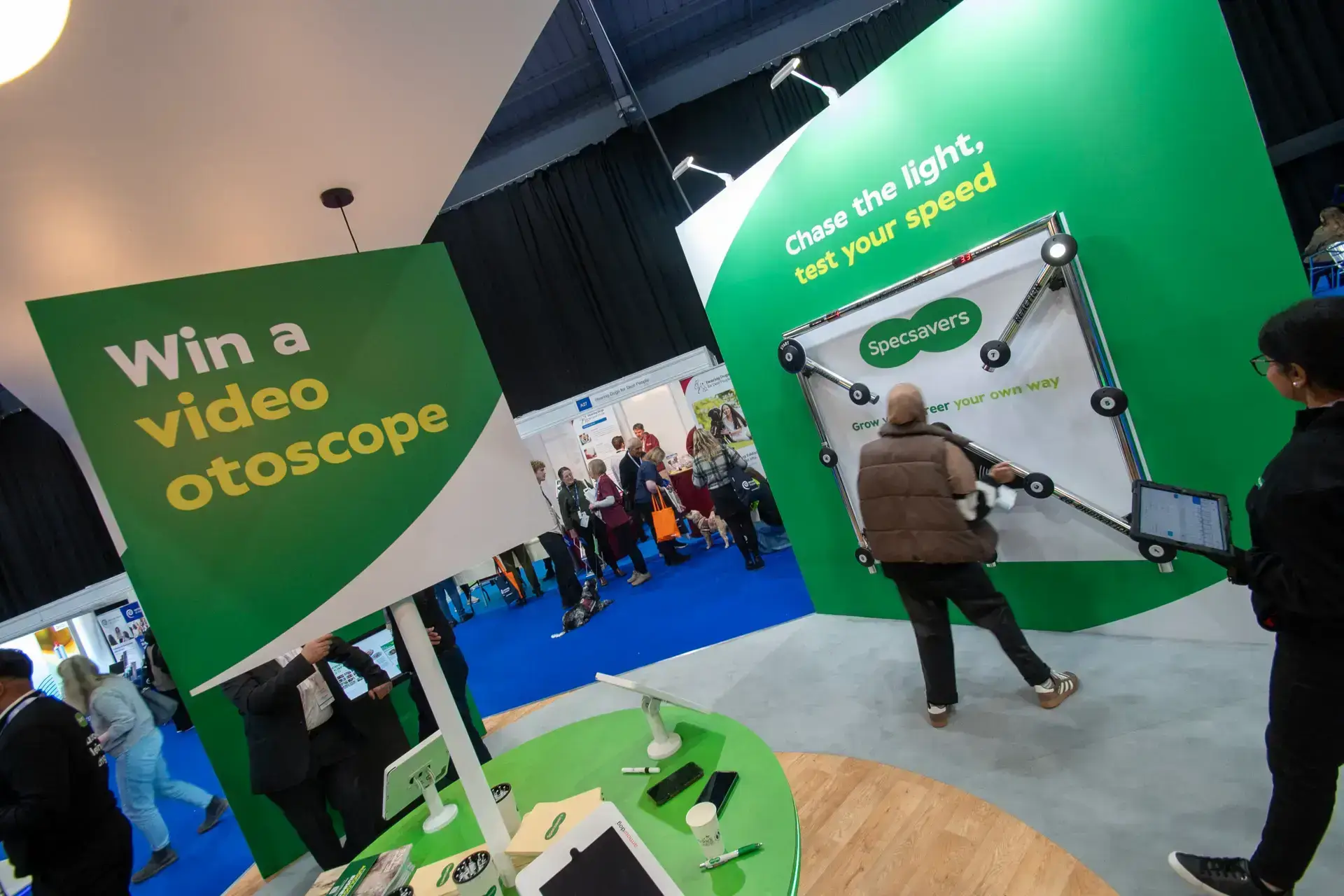
Interactive touchscreens let your visitors navigate product information themselves rather than waiting for someone to explain it. Live demos put your products in their hands so they can experience exactly how they work. Interactive games create competitive fun that draws crowds and keeps them at your stand for longer.
Remember, when someone at an exhibition actually picks up a foam dart and has a go at your challenge game, they’re not just killing time. They’re creating a memory attached to your brand. They’re queuing, which means they’re waiting. And while they’re waiting, your team has the perfect opportunity to start genuine conversations about your products.
Bringing it all together
The magic doesn’t happen when you just add one sensory element to your stand and call it done.
It happens when multiple senses work together to create a genuinely memorable experience.
Imagine walking past a stand where the aroma of fresh coffee pulls you in. Interactive touchscreens let you explore products at your own pace. Soundproof pods offer space for private demonstrations. LED displays showcase real case studies from companies you recognise.
That stand creates multiple reasons to stop, engage and remember. Not because it’s thrown every possible element at the wall, but because each sensory solution serves a specific purpose aligned with your goals.
The key is choosing elements that make sense for your brand, your audience and your objectives. It isn’t about adding gimmicks for the sake of it. It’s about understanding what your audience responds to and layering in sensory elements that amplify your message.
That’s how you create stands people can feel, not just see.
Ready to make 2026 your year?
Flat, forgettable exhibition stands belong in 2025. This year demands something different. Something that engages delegates from every angle and creates experiences they’ll actually remember.
While your competitors stick with the same tired visual displays, you could be creating multi-sensory environments that draw crowds, start conversations and generate leads.
The exhibitors who’ll dominate in 2026 aren’t the ones with the biggest budgets. They’re the ones who understand that great exhibitions hit all five senses.
And that’s where Exhibit Interactive can help. We start every project by looking at your event goals, your audience and your space. Then we work out which sensory solutions will genuinely elevate your exhibition stand beyond the rest.
Get in touch to explore how our sensory solutions can transform your next event into something unforgettable.
